Fire Prevention: Properly Protecting Your Home In 2026
In France, a domestic fire breaks out approximately every two minutes. This represents more than 250,000 incidents each year, and nearly one in three French people will face a fire outbreak during their lifetime. These figures are staggering... and they remind us of a truth that is too often forgotten: in terms of fire, prevention remains our best ally. The good news is that adequately protecting your home does not require a large budget or complicated work. Here’s how to secure your home in 2026, from the mandatory detector to the good daily reflexes.
Why is the risk of domestic fire so underestimated?
We all tend to think that "it only happens to others." However, statistics tell a different story. In addition to the 250,000 fires reported each year, it is important to know that one in four fires is of electrical origin (outdated installations, overloaded outlets, saturated power strips...).
And contrary to a persistent misconception, it is not the flames that cause the most victims. Indeed, about 75% of deaths are due to smoke and asphyxiation, not the fire itself. This smoke is hot, toxic, and spreads very quickly: a room can reach 600 °C in just three minutes.
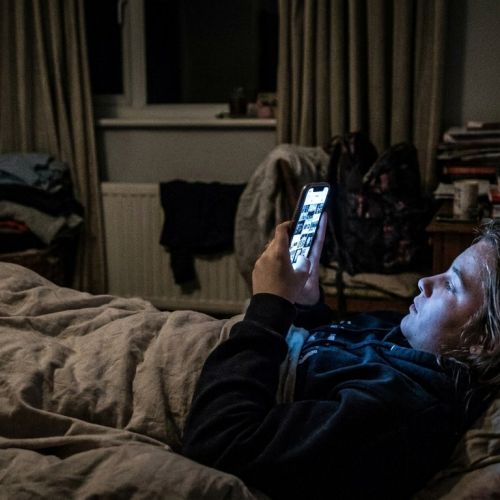
Another important point is the timing. The majority of fires occur during the day when the home is occupied. But the deadliest ones happen at night, while people are sleeping, when no one is able to react in time. This is the paradox of fire risk: it strikes especially when we let our guard down.
Note: the earlier you act, the easier it is. Firefighters sum it up well: it takes a glass of water to extinguish a fire in the first minute, a bucket in the second, and a tanker in the third...
Does a smoke detector really protect you?
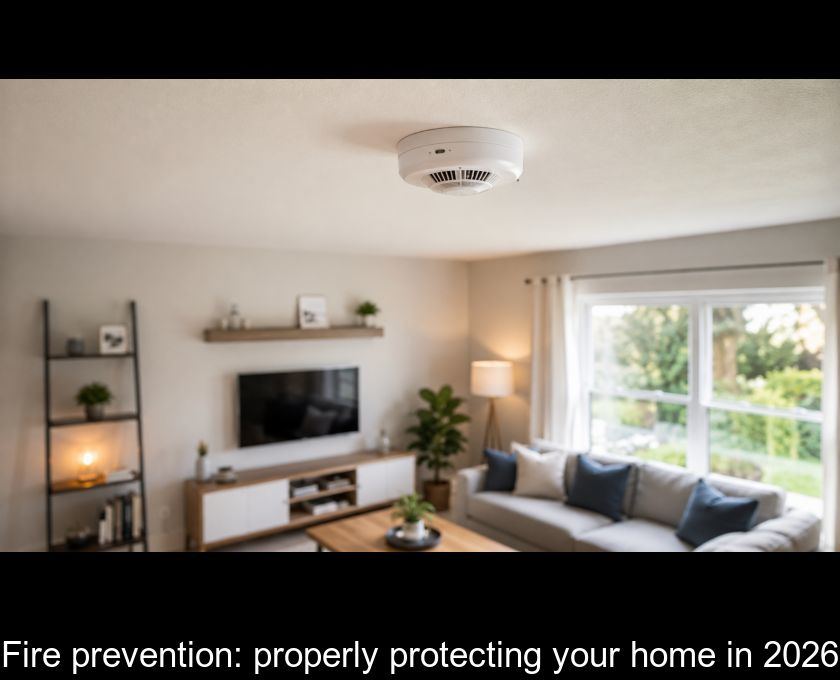
First reflex (and first legal obligation): the smoke detector. Since March 8, 2015, the law requires at least one autonomous smoke alarm, the famous DAAF, in every home. It must comply with the NF EN 14604 standard, bear the CE marking, and emit a sound signal of at least 85 decibels, sufficient to wake a sleeper.
In terms of installation, it should be fixed to the ceiling, preferably in the hallway leading to the bedrooms, and at a good distance from the kitchen and bathroom (to avoid false alarms during cooking). In a rental property, it is the landlord's responsibility to install it, while the occupant is responsible for its maintenance, meaning testing the device and changing the batteries from time to time.
One detail that many are unaware of: there are no legal penalties for not having a detector, and your insurer cannot refuse to compensate you solely for this reason. However, this certainly does not mean you should do without it! Also, remember to check the date of your device. Its lifespan is about 10 years, which means that detectors installed when the law came into effect will be reaching the end of their life around 2025-2026. If yours dates from that time, now is the time to replace it.
There remains one limitation, and it is significant. The detector sounds, yes, but if you are absent, who will hear it? No one. This is precisely where a real fire alarm connected to a monitoring service changes the game, by transmitting the alert even when the home is empty.
What equipment to go beyond the obligation?
The DAAF is a minimum requirement, not an end in itself. To truly enhance the security of your home or apartment, several complementary devices deserve attention.
The fire extinguisher and fire blanket
These are the two allies against manageable fires. A fire extinguisher (to be kept near the kitchen or garage) allows for quick action, provided it is suitable for the type of fire and not expired, as yes, a fire extinguisher has an expiration date. As for the fire blanket, it is extremely effective on pan or fryer fires, where water would cause an explosion.
The carbon monoxide detector
It is often confused with the smoke detector, although they serve very different purposes. Carbon monoxide is an odorless, invisible, and potentially deadly gas produced by incomplete combustion (boiler, stove, space heater...). If you heat with gas, wood, or oil, this additional detector is highly recommended. It is not mandatory, but it saves lives.
The alarm connected to monitoring
This is the next level up. A system connected to a monitoring center does not just make noise. In case of detection, agents carry out a "verification" (to rule out a false alarm) and then notify emergency services if the danger is real, even when you are sleeping or on vacation. For multi-story or large homes, it is also advisable to multiply detection points, ideally having one sensor per level.
What habits to adopt in daily life?
The best prevention is the one that avoids fire outbreaks. And here, everything depends on daily habits.
In the kitchen, the first high-risk area (nearly one in five domestic fires starts there), a few simple rules apply:
- never leave the room while cooking, especially when frying
- regularly clean the filters of the hood, as grease deposits can easily ignite
- keep dish towels and packaging away from the cooking surfaces
Regarding electricity, which accounts for a quarter of incidents, vigilance is essential. Avoid plugging too many devices into the same power strip, replace damaged outlets or exposed cables without delay, and have an old installation checked (the NF C 15-100 standard is a reference in this area). Unplugging devices on standby at night costs nothing and reduces risks.
For heating and fireplaces, maintenance is key. Chimney sweeping is mandatory (generally once or twice a year depending on your municipality), and a clogged flue is a common cause of fire. Be cautious with space heaters left too close to curtains or sofas, and never leave a burning candle unattended.
Finally, store flammable products (aerosols, solvents, paints) away from heat sources, and keep lighters and matches out of reach of children. A simple gesture, but it prevents many tragedies.
What to do if a fire breaks out anyway?
Even with all precautions taken, there is no such thing as zero risk. If a fire breaks out, every second counts. Here’s what to do:
- if the fire is small and starting, try to smother it with a fire extinguisher or a fire blanket (never use water on oil or electrical appliances)
- if the fire grows larger, do not insist, evacuate immediately and close the doors behind you to slow down the spread
- call the firefighters at 18 or 112 (European emergency number) as soon as you are safe
- in case of smoke, get low, breathable air is near the ground, and protect your nose with a damp cloth
- never go back inside to retrieve belongings
Protecting yourself from fires in 2026 is not a matter of luck, but of anticipation. A working detector, some well-chosen equipment, common sense actions every day... and your home becomes significantly safer, for you and your loved ones.
Note Well
DAAF: autonomous smoke alarm. It is the mandatory device in all homes since 2015, which detects smoke and triggers an audible alert.
Doubt removal: verification carried out by a monitoring center (via image, sound, or call) to confirm that an alert corresponds to a real danger before mobilizing emergency services.
Remote monitoring: a remote service that receives alerts from a security system and coordinates, if necessary, the intervention of emergency services or law enforcement.
NF EN 14604: European standard that every smoke detector sold in France must comply with, ensuring the reliability of the device.
Carbon monoxide: a toxic, odorless, and invisible gas resulting from incomplete combustion, responsible for numerous domestic poisoning cases each year.