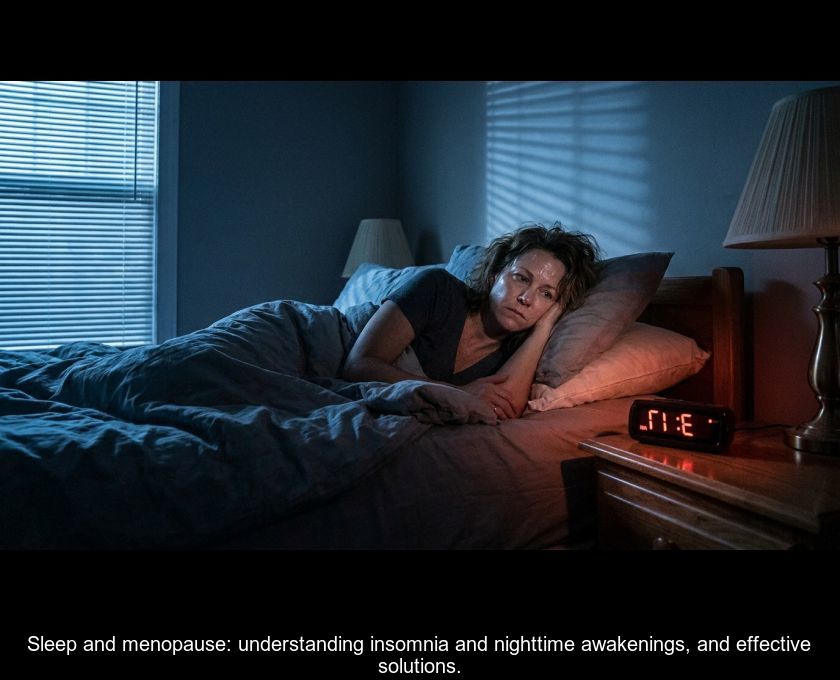
Sleep And Menopause: Understanding Insomnia And Nighttime Awakenings, And Effective Solutions.
Difficulties falling asleep, waking up at 3 a.m., night sweats, sleep that no longer restores... From the onset of perimenopause, nights deteriorate. Here’s why your hormones disrupt your biological clock, and especially how to gradually regain true sleep.
Sleep, an early victim of perimenopause.
Many women expect hot flashes but are surprised to find that it's their sleep that suffers first. Starting from perimenopause, this transitional phase that can last 3 to 7 years and whose first signs gently appear around age 40, nights begin to crack. Hormonal decline is underway well before menstruation stops, and sleep is one of the first witnesses.
Another often overlooked point: sleep does not deteriorate in a vacuum. This period of life frequently coincides with significant events—studies or children leaving home, parents whose health is declining, and sometimes tensions in the couple. If your nights were already average before, the disturbances are likely to amplify.
And lack of sleep is not just a matter of temporary fatigue. While you sleep, your body consolidates memory, strengthens its immune defenses, regulates appetite through ghrelin (which triggers hunger) and leptin (which activates satiety), and repairs its tissues. Poor sleep, therefore, directly fuels hormonal imbalance, weight gain, and anxiety.
Typical symptoms: from difficulty falling asleep to frequent awakenings.
Sleep disturbances during this period do not take a single form. Four main types are distinguished, and it is not uncommon to experience them in combination: difficulty falling asleep (tossing in bed without finding sleep), frequent nighttime awakenings (related or not to hot flashes), waking up too early (at 4 or 5 a.m., unable to fall back asleep), and finally non-restorative sleep - you may have slept for seven hours, but you wake up feeling as if you haven't slept at all.
The result is always the same: fatigue, irritability, increased stress. And this is where the trap closes, as fatigue and stress in turn degrade the following night.
A very concrete tip, tested and validated by many: if you wake up in the middle of the night, start with some breathing exercises to try to fall back asleep. If after 30 minutes nothing happens, don’t keep tossing and turning. Turn on a dim light, read a little, then turn it off about 30 minutes later. This works much better than struggling in the dark.
Nota Bene: the term perimenopause refers to the long transition phase, while perimenopause describes the period 1 to 2 years before menopause, with more pronounced symptoms. Menopause itself is officially recognized after 12 consecutive months without a period.
The drop in progesterone, a loss of its natural calming effect.
The first culprit, and it arrives early: progesterone. In perimenopause, it is the first to decline, more and faster than estrogen. This hormone, secreted by the corpus luteum of the follicle after ovulation, has a very particular effect - it is a calming, soothing hormone. No ovulation, no progesterone: the mechanism is as simple as that.
When it decreases, you lose your natural tranquilizer. It becomes more difficult to find calm in the evening, to let the pressure drop, to transition into sleep. It's not in your head; it's biochemical.
Progesterone also plays other useful roles: it is anti-inflammatory, antidepressant, diuretic, helps to use fats for energy production, and regulates blood sugar levels. Its decline therefore explains, in cascade, a good part of the discomforts of this period - including restless nights.
Decreased estrogens: the direct impact on serotonin and melatonin.
The second mechanism is a bit longer to understand, but it best explains why your internal clock gets out of sync. The decrease in estrogen leads to a drop in serotonin, the well-being and anti-stress hormone. Less serotonin means more depression, stress, and anxiety.
However, serotonin has a second crucial role: it is from serotonin that the brain produces melatonin, the sleep hormone. Less serotonin during the day means less melatonin in the evening, leading to difficulty falling asleep and a disrupted biological clock. The entire chain gets jammed.
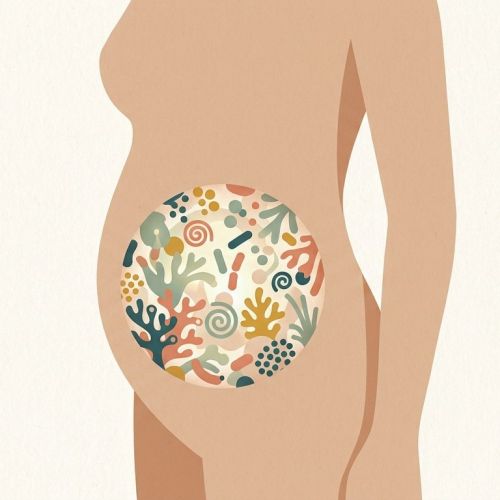
Melatonin is secreted when light decreases: the retina perceives the change and transmits the information to the brain, which initiates production. However, there must be serotonin in reserve. In practical terms, serotonin is secreted during the day if you have light in your retina, enjoyable activities, a rather zen attitude, available tryptophan amino acid in your diet, and a balanced microbiome—75% of serotonin is produced by our good intestinal bacteria.
Night sweats and hot flashes, enemies of the circadian rhythm.
The drop in estrogen doesn't stop there: it also disrupts thermoregulation. In the brain, the hypothalamus manages both ovarian activity and body temperature. When estrogen levels fall, it overreacts by stimulating the production of FSH and LH, and this agitation disrupts the internal thermostat. The body overheats and cools down... through hot flashes.
At night, this results in waking up sweating followed by a feeling of cold and chills, sometimes several times. The hot flash lasts about 1 to 3 minutes, starting from the chest and rising to the face, accompanied by an increased heart rate. Brief, but enough to break a sleep cycle.
Helpful actions to implement in the bedroom: lower the room temperature at night, use light and airy sheets (linen duvet cover, thin summer duvet), prefer cotton and linen clothing in multiple layers for easy removal. Keep a fan and a handkerchief within reach.
And when the hot flash arrives: don't panic, tell yourself it will pass quickly. Uncover a bit, drink a glass of water, use a misting spray, place a cool item on your forehead or neck. Then calm your heart rate by breathing - inhale through your mouth and exhale through your nose, the feeling of coolness is more pronounced. Strong emotions (stress, anger, anxiety) greatly promote hot flashes, so relaxing is part of the treatment.
Rising cortisol: when hormonal stress prevents sleep
Third mechanism, and not the least: the drop in estrogen leads to a natural increase in cortisol, the stress hormone. In other words, it is perfectly normal to feel more anxious during this time, and this also explains mood swings and increased sensitivity. The problem is that cortisol and sleep do not mix well.
Now, add to this chronic stress - mental load, conflicts, professional or financial difficulties, negative thoughts - and cortisol skyrockets. It raises blood sugar levels, blood pressure, disrupts the microbiome, and amplifies sleep disorders. Chronic stress actually worsens menopause symptoms over time, in an already disrupted hormonal context.
Everything is connected: an increase in cortisol also leads to a rise in insulin and a decrease in oxytocin and serotonin. That’s why working on stress is often the first step, even before looking for a supplement to help with sleep.
A word about coffee, since it's a question that keeps coming up: it increases tension and heart rate, then raises cortisol levels. The reasonable advice is to not overdo it and to drink it rather in one cup after lunch - not in the morning, when cortisol levels are already naturally high, and especially not at the end of the day. Soluble chicory or green tea, which are lower in caffeine, are good alternatives.
Sleep apnea, a risk to monitor with aging.
There is a cause of nighttime awakenings that is often overlooked because it is not hormonal but becomes more frequent with age: sleep apnea. If you suffer from it, it adds to the rest and can alone explain a sleep that no longer restores.
This is a point not to be brushed aside. When nights remain fragmented despite good sleep hygiene, herbal remedies, and management of hot flashes, it is worth discussing with your doctor rather than attributing everything to hormones.
Nota Bene: In the same spirit, consider the thyroid. Around the age of 50, 10% of women exhibit varying degrees of hypothyroidism, often overlooked because its symptoms resemble those of perimenopause: insomnia, hot flashes, depression, mood swings, weight gain, and slowed transit. A simple blood test to measure thyroid hormones can provide clarity.
Disturbed sleep and emotional instability: a cycle linked to hormones.
It must be said clearly: poor sleep makes you more emotionally vulnerable, and emotional instability causes you to sleep poorly. Lack of sleep increases cortisol production, which promotes muscle loss, fat storage, and a higher risk of being more anxious and depressed. The next evening, you go to bed feeling more tense than the night before.
Additionally, the drop in progesterone and estrogen affects many chemical messengers: dopamine (the hormone of action and pleasure), GABA (a calming neurotransmitter that also aids in memory), oxytocin, and serotonin. This leads to mood swings, anxiety, lack of motivation, and the feeling of getting upset over trivial matters.
Many women do not associate these mood changes with hormonal fluctuations and worry about their mental health. These symptoms are often confused with those of depression. If you recognize yourself in this, inform your doctor that it may be perimenopause: the approach will not be the same.
The good news is that we can act on four key hormones to reduce overall imbalance - insulin, cortisol, oxytocin, and serotonin - and this positively impacts all the others. The three levers are: a low glycemic index diet, reducing chronic stress, and cultivating relationships, thinking of oneself, and flourishing.
Magnesium and vitamin B6, natural allies against nervous agitation.
If you were to remember only one supplement, it would be this one. Magnesium is a natural stress reliever and is essential during this period. In capsule form, choose it as bisglycinate or magnesium citrate, two well-tolerated forms, and combine it with vitamin B6, which enhances its absorption.
In terms of food, magnesium can naturally be found in cocoa, nuts (almonds, walnuts...), whole grains, spinach, seafood, and fatty fish, brewer's yeast, seaweed, and in certain mineral waters like Courmayeur or Hépar.
Additionally, omega-3s deserve a place: anti-inflammatory, they reduce oxidative stress, are essential for the brain, and have an antidepressant effect. Animal sources (fatty fish, fish eggs, cod liver) are significantly more absorbable than plant sources (flax, chia, hemp, walnuts and their oils, virgin rapeseed oil).
A useful note: these supplements are not harmless. If you are taking medications, some herbs are contraindicated, and you should not combine multiple products to avoid overdose. Consult your doctor, gynecologist, or pharmacist for advice.
Plants and gentle techniques for restorative sleep
Each plant has its preferred environment, and by choosing them according to your dominant symptom, they become effective. Valerian reduces nervous agitation. Hawthorn decreases anxiety. Passionflower provides restorative sleep. Eschscholzia (California poppy) specifically targets nighttime awakenings. Hops, rich in phytohormones, aids in falling asleep. Lemon balm soothes worry. Griffonia boosts serotonin and improves REM sleep.
Additionally, lavender, as an essential oil sprayed as a mist on the pillow for its calming effect, and classic herbal teas of chamomile, lime blossom, or orange blossom are beneficial. A capsule mix combining valerian, passionflower, hawthorn, and lemon balm, complemented by magnesium, often gives a good boost.
Gentle techniques complement this aspect very well: acupuncture, hypnosis or self-hypnosis, yoga, stretching, relaxation, meditation, walking, and especially heart coherence - guided breathing exercises that calm the nervous system in just a few minutes.
A simple tip for nights when the mind is racing: place a pillow filled with flax seeds over your eyes. This calms the eye movements that accompany nighttime ruminations.
Finally, if insomnia persists and no natural remedy works, it may be necessary to resort to medication to break the vicious cycle. In this case, it's better to avoid benzodiazepines or take them only for a very short duration, and prefer antihistamines. Don't hesitate to cut the pills to gradually reduce the dose, and only take them occasionally after several bad nights. In any case, this should be decided with your doctor.
Melatonin, dietary hygiene, and circadian rhythm: resetting your biological clock.
Since melatonin is produced from serotonin secreted during the day, the first key is... morning light. Expose yourself to natural light for at least 2 hours a day, and don't keep your sunglasses on when they're not really necessary. In autumn and winter, light therapy takes over: about 30 minutes in the morning in front of a special lamp. In the evening, conversely, dim the lights to allow melatonin to rise.
Melatonin also comes in capsules. It is particularly indicated in cases of jet lag, significant disruption of the circadian rhythm, or with aging - as production naturally decreases. Again, consult your pharmacist or doctor.
On the plate side, a dinner that does not hinder sleep looks like this: half the plate with cooked vegetables and raw salads, a quarter with low glycemic index carbohydrates (ideally legumes), a bit of lean animal protein (egg, ham, turkey, cottage cheese, fresh cheese) or plant-based protein (legumes, tofu), and a bit of healthy fats (avocado, healthy oils, pumpkin seeds). For dessert, a sheep or goat yogurt with almond puree, or a piece of chocolate with more than 70% cocoa.
Then there's the evening ritual, often the most determining element: it conditions the brain for sleep, just like for a child. Build yours around three key words.
- Relaxation: some stretching, a breathing exercise, a warm bath, soft music, an activity that makes you forget your worries, a massage. Let your loved ones know that you are no longer available 30 minutes before bedtime.
- Regularity: in bed before midnight, at roughly the same time each day (give or take an hour, including weekends), and go to bed at least 15 minutes before your ideal bedtime.
- Release: write down your thoughts on paper before going to bed to lighten the mental load, and reflect on the positives of your day.
One last important detail: turn off the light as soon as you yawn or your eyes start to sting. This signal doesn't come around twice before a long time.
In summary: patience and sustained actions.
Your nights deteriorate because the calming progesterone fades, because declining estrogen takes serotonin and then melatonin with it, because the internal thermostat gets disrupted, and because cortisol rises. None of this is imaginary, and none of this is inevitable.
Start with the basics: natural light in the morning, stress management, low glycemic index dinner, a cool room, and light sheets, along with a regular evening ritual. Then add targeted boosts - magnesium in bisglycinate or citrate form with vitamin B6, followed by the herb that corresponds to your dominant symptom: California poppy for nighttime awakenings, hops for falling asleep, passionflower for restorative sleep.
Above all, don’t aim for a miracle in a week. When sleep is damaged, it takes time to tame it again, little by little. Improvement is often slow, with poorer nights returning from time to time - this is normal, it’s not a failure.
And if insomnia persists, if you consistently wake up sweating, if fatigue becomes debilitating, talk to your doctor. Hypothyroidism, sleep apnea, or appropriate treatment can completely change the game. Your sleep deserves to be prioritized: it’s probably the best health investment of this stage of life.